

Think of a Schedule of Condition as an objective, visual insurance policy for your property.
Before a neighbour starts removing chimney breasts, digging foundation trenches, or undertaking major structural alterations near a boundary, an appointed Party Wall Surveyor inspects the adjoining property and records its exact condition.
- For the Building Owner (the person carrying out the works): It provides clear evidence that pre-existing cracks, dampness, or structural defects were present before construction began.
- For the Adjoining Owner (the neighbour): It proves that any new plaster cracks or structural damage appearing during construction were caused by the building works.
Ultimately, a Schedule of Condition creates an unbiased, factual baseline. It eliminates guesswork, prevents unnecessary legal disputes, and protects both property owners from the outset.
What Happens If an Adjoining Owner Refuses Access for a Survey?
If an Adjoining Owner decides they do not want a surveyor inside their property, the surveyor cannot, and will not, force entry to conduct a Schedule of Condition. Forced entry mechanisms under the Party Wall etc. Act 1996 are strictly reserved for executing necessary works, not for compelling visual inspections.
However, refusing entry creates immediate legal and evidential disadvantages, almost all of which fall squarely on the person denying access.
1. The Burden of Proof Shifts
This is the single biggest risk under the law. Normally, if construction causes damage, the appointed surveyors compare the property against the Schedule of Condition to confirm the defect is new.
If the Adjoining Owner refuses access, the burden of proof shifts entirely onto them. If a crack appears three months into a neighbour’s extension, the Adjoining Owner must legally prove the crack was not there before work started. Without a professional pre-construction baseline, proving this in court or through arbitration is an uphill struggle.
2. Loss of the Party Wall Act’s Dispute Resolution
When a Schedule of Condition exists, resolving damage claims is straightforward and cost-effective. The Party Wall Surveyors re-inspect the property, compare findings against the original report, and issue an Award requiring the Building Owner to make good the damage or pay compensation.
Refusing access removes access to this streamlined, out-of-court resolution process, as surveyors cannot verify what the home looked like previously.
3. Judicial Scepticism in Common Law Claims
If a dispute escalates to court under common law, a judge evaluates the claim on the “balance of probabilities”.
If the Building Owner demonstrates that formal requests for a Schedule of Condition were made and refused, the court will take this conduct into account. Judges are naturally sceptical of property damage claims when the claimant actively prevented an independent baseline from being recorded.
4. Construction Works Will Still Proceed
Refusing entry for a survey does not stop building works. The Party Wall process continues, a Party Wall Award can still be served, and the neighbour can move forward with construction. The only difference is that the uninspected property is left unrecorded and unprotected.
Summary: A Sometimes-Prickly Business That Actually Protects the Adjoining Owner
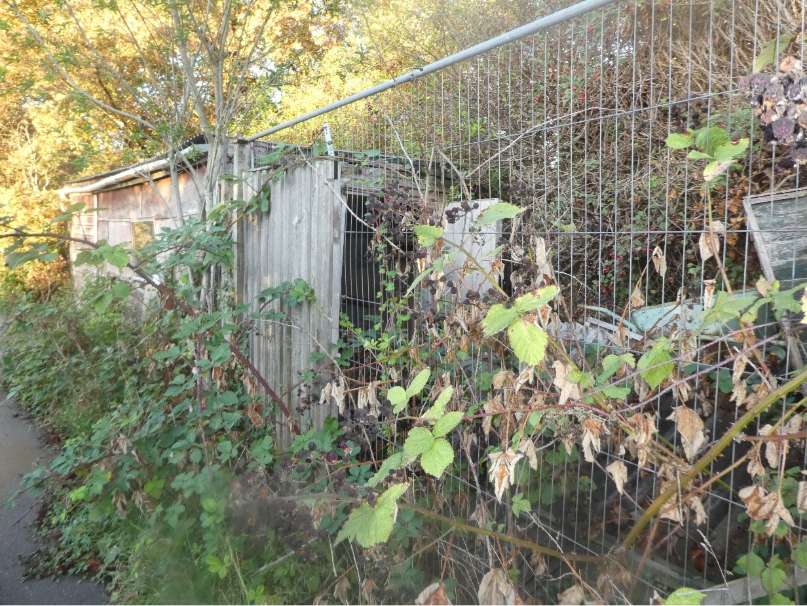
A surveyor’s request for entry can feel like an intrusion, but a Schedule of Condition exists primarily to safeguard the Adjoining Owner.
- Planning building works? Issue formal access requests in writing. If your neighbour refuses, document the refusal clearly to safeguard against unsubstantiated future damage claims.
- Neighbour planning building works? Let a surveyor in for an hour to document your property; it costs you nothing and helps ensure you are fully protected if construction causes damage.
Working constructively within the Party Wall framework is always the safest, most cost-effective way to protect your property investment.
Case Study Update: We are currently handling a Party Wall matter where access for a Schedule of Condition has been refused. We will update this post with further insights as the situation develops.
Need Expert Party Wall Advice in Kent or East Sussex?
Whether you are planning building works or have received a Party Wall Notice from a neighbour, Weald & City Surveyors provides professional, impartial guidance under the Party Wall etc. Act 1996 throughout Kent and East Sussex.
Jonathan Hicks, AssocRICS, MPTS, serves as the Branch Secretary for the Kent Branch of the Pyramus & Thisbe Society (the UK’s premier professional organisation dedicated to party wall law and dispute resolution). Founded in 1974, the Society promotes best practice, statutory compliance, and technical expertise in party wall matters, ensuring you receive industry-leading advice.
Contact Jonathan Hicks today for expert guidance or to arrange a Schedule of Condition inspection for your property.